Choosing the right office space involves more than finding a good address. The type of office you go with affects your operating costs, compliance obligations, how your team works day to day, and how easily you can grow. For businesses looking at office space in Kochi, the SEZ versus Non-SEZ question is one of the more consequential decisions to work through, and the answer isn't the same for everyone.
Export-oriented companies often find real value in what Special Economic Zones offer. Businesses focused on the domestic market tend to prefer the straightforwardness of conventional commercial space. Understanding what each option actually involves makes the decision considerably easier.
What is SEZ Office Space?
SEZ stands for Special Economic Zone, a designated business area created to encourage exports, attract foreign investment, and support economic development. Companies operating within an SEZ work under a specialised regulatory framework designed around export-oriented business.
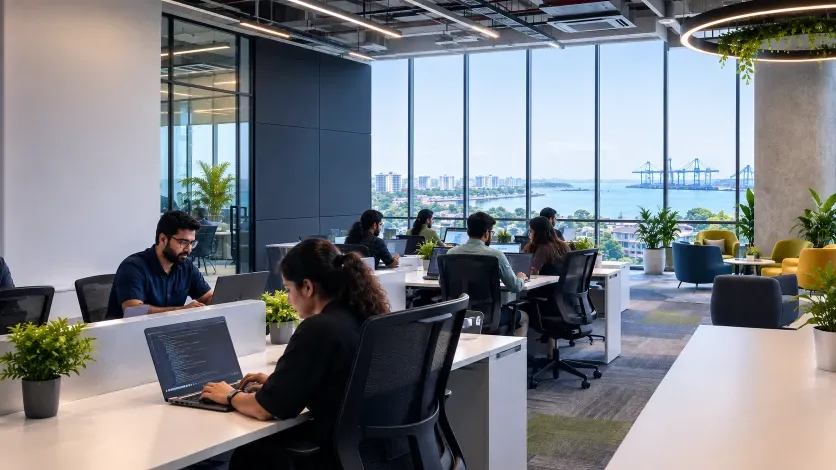
Generally, IT companies, ITES providers, R&D centres, BPO firms and multinationals catering to worldwide markets are housed in SEZ offices in Kochi. Beyond modern office infrastructure, SEZ campuses tend to offer high-quality facilities, reliable utilities, strong security systems, and the kind of business ecosystem that suits global operations.
What is Non-SEZ Office Space?
A Non-SEZ office in Kochi is a regular commercial space operating outside a Special Economic Zone, under standard commercial regulations. It is suitable for practically any form of business and is the more usual choice for startups, consulting firms, financial service providers, healthcare enterprises, educational institutions, retail businesses and organisations that focus largely on domestic consumers.
Without the requirements that come with SEZ status, businesses generally enjoy more flexibility in how they set up, who can visit, and how they manage day-to-day operations.
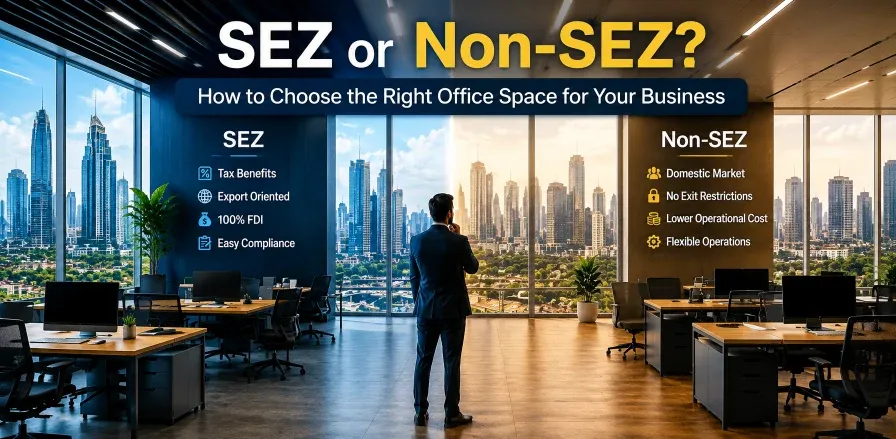
SEZ vs Non-SEZ: Key Differences at a Glance
Both office types offer professional environments, but they operate under very different frameworks.
Tax and Financial Benefits – SEZ vs Non-SEZ
Financial considerations understandably carry a lot of weight in this decision. SEZ offices may give government benefits for qualifying enterprises in exports, customs duties and taxation. For organisations with a strong international focus, this can have a major impact on operational costs. Outside SEZs, enterprises are subject to the normal commercial tax regime with fewer incentives, but also fewer regulatory constraints and easier administration overall.
It's always worth speaking with a financial or legal professional before making a decision based on tax implications, as what applies varies by business type and structure.
Compliance and Operational Flexibility
Compliance requirements are where the two options differ most noticeably.
SEZ enterprises often follow certain procedures for permissions, reporting, equipment movement, and regulated access, which are part of maintaining the operational standards necessary within the zone. For companies already geared toward export and international operations, these processes become routine. For others, they can add a layer of administrative work that isn't necessary.
Non-SEZ offices are more straightforward on this front. Employee access, client visits, equipment changes, and general administration don't carry the same procedural weight. For businesses that need to move quickly, adjust frequently, or simply prefer fewer formalities, Non-SEZ space tends to be the easier environment to operate in.
Cost Comparison: Lease Rates, CAM Charges & Hidden Costs
Monthly rent is only one piece of the cost picture. SEZ office space in Kochi is generally linked with higher rental prices because of premium infrastructure, enterprise-level services, increased security and the integrated business ecosystem. Common area maintenance charges, fit-out costs, utility arrangements, parking, and compliance-related administration all factor into the real cost of occupation.
Non-SEZ offices are usually a lot more flexible and may cater to a range of budgets, from small start-up premises to spaces for large corporations. That said, the quality of infrastructure and available amenities varies considerably between developments, so it is important to look beyond the base rental figure.
For both types, the better question is what you're getting for what you're paying: connectivity, facilities, scalability, and how well the workspace actually supports how your business operates.
Which Businesses Should Choose SEZ Office Space?
SEZ offices tend to work well for organisations that primarily export products or services, operate in IT, ITES, software development, or global business services, and need enterprise-grade infrastructure and connectivity. If your clients are international, your operations require strong security and compliance structures, and you stand to benefit from export-related incentives, an SEZ environment is designed for exactly that kind of business.
Which Businesses Should Choose Non-SEZ Office Space?
Non-SEZ offices are usually the better fit for businesses that primarily serve domestic customers, expect regular client visits, need to get up and running quickly, or simply prefer fewer compliance layers. Non-SEZ commercial space is generally better suited for startups, SMEs, consulting companies, educational institutions, healthcare providers and financial services companies. For businesses looking for ready-to-move office space in Kochi, Non-SEZ developments often allow faster occupancy with less procedural lead time.
Common Mistakes Businesses Make When Choosing Office Space
Choosing an office based on rental cost alone is where a lot of businesses run into trouble later. Some of the more common mistakes worth avoiding include selecting an SEZ office without first confirming business eligibility, not accounting for future expansion needs, overlooking maintenance and operational costs, and focusing on location without properly evaluating the infrastructure. Employee accessibility and commuting convenience matter more than they're often given credit for, as do internet connectivity, power backup, and security. Choosing a workspace without connecting it to where the business is going in two or three years tends to lead to disruptive and costly relocations.
Making the Right Choice for Your Business
There's no single right answer here. The best workspace depends on what your business does, who you serve, how you operate, and where you want to be in a few years.
If you're serving international markets and export-related incentives are relevant to your business model, an SEZ office can deliver long-term value. But if you are more concerned about operational flexibility, convenient access for clients and simplified compliance, then a Non-SEZ office is likely to be the more realistic option.
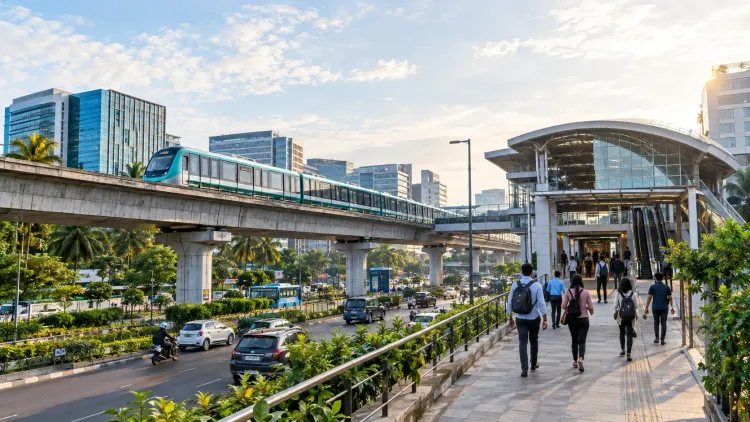
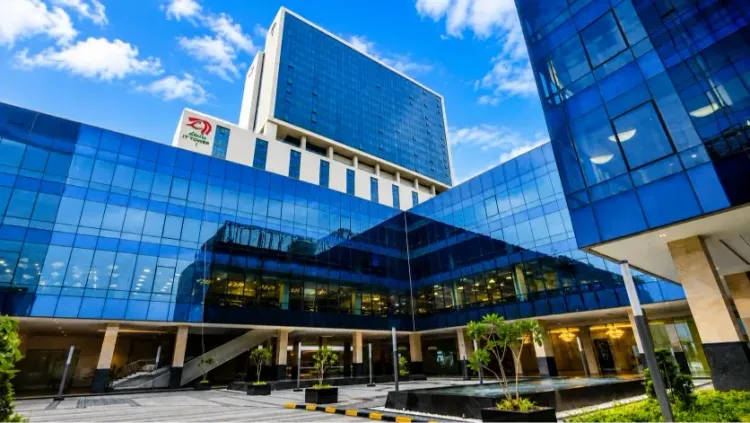
For businesses looking at premium office space in Kochi, Lulu Tech Park offers an environment built for companies at every stage of growth. Located within SmartCity Kochi, the development brings together world-class office infrastructure, high-speed fibre connectivity, 100% power backup, and advanced security in a well-connected campus with ample parking, including one of the world's largest robotic parking facilities. Whether you're exploring SEZ office space, Non-SEZ commercial space, or ready-to-move options in Kochi, Lulu Tech Park is a standout choice worth evaluating closely.

Lulu ITpark
Tech Community WriterHi! I’m a writer for Lulu IT Park, sharing the latest updates, technology trends, and industry insights from our vibrant tech community. I’m passionate about highlighting workspace innovation and the incredible growth within our campus.