For decades, the idea of "work" meant going to the office. Employees typically followed set schedules, traveled daily commutes, worked from assigned desks and spent most of their professional lives within traditional office environments. However, digital transformations over the last few years have completely redefined this idea of work. The pandemic contributed to these changes by pushing organizations across the world to adopt remote and flexible work models.
As employees settled into remote work, many businesses realized that people could still stay productive without being physically present in the office every single day. Teams attended meetings virtually, collaborated online and managed projects from different locations with surprising ease. But over time, companies also began to notice what remote work was missing. Quick discussions between teammates, spontaneous brainstorming sessions, workplace energy and everyday human interaction were difficult to recreate through screens alone. This gradually led to the rise of the hybrid work model, where employees could enjoy the flexibility of remote work while still coming together in the office for collaboration, creativity and team connection.
The Birth of the Hybrid Work Model
Gradually, companies realized that employees could still stay productive, away from the physical limits of the office. Employees from different parts of the world could collaborate online. But as the saying goes, “too much of anything is bad for health” could be observed here. Remote work eliminated any opportunities for quick discussions between teammates, spontaneous brainstorming sessions, workplace energy and everyday human interaction. Not everything could be recreated through screens alone and this is what led to the birth of the hybrid work model.
The hybrid work model is a flexible working model where employees can split their time between working remotely and working from an office. This model offers several advantages for both businesses and employees. For employees, hybrid work creates a healthier balance between professional and personal life while reducing the stress and time associated with daily commuting.
The flexibility to work remotely on certain days often leads to better job satisfaction and improved overall well-being. For businesses, hybrid work can result in higher productivity, greater operational flexibility and access to a wider talent pool without geographical limitations. It also allows companies to create more adaptable and employee-friendly work environments that better match the expectations of the modern workforce.
What are Managed Office Spaces?
Managed office spaces can be defined as fully serviced spaces that are managed by professional workspace organizations. These offices come fully equipped and are ready to use from day one, without the burdens of conventional office spaces.
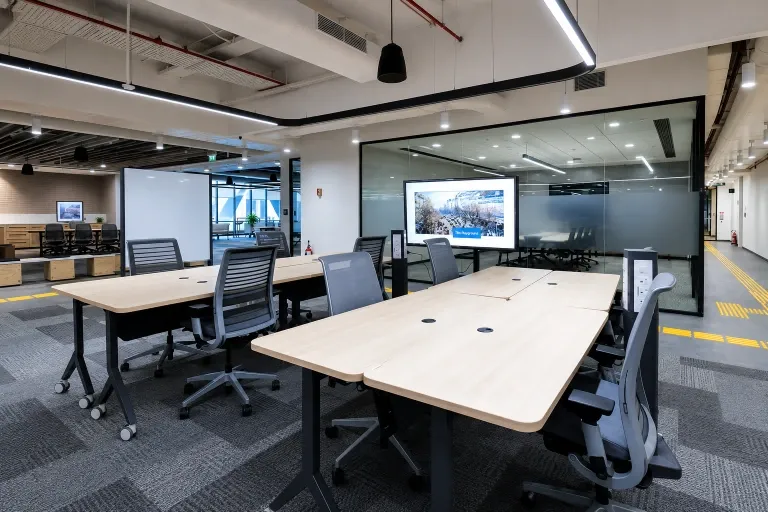
These workspaces typically include furnished workstations, high-speed internet connectivity, meeting and conference rooms, reception and administrative support, advanced IT infrastructure, maintenance and housekeeping services, security systems and access-controlled environments. Many managed office spaces also feature cafeterias, breakout zones and collaborative common areas that create a more comfortable and productive work environment for employees.
As businesses increasingly adopt hybrid work models, the need for flexible and operationally convenient office infrastructure has grown significantly. Companies today look for instant workspaces that can easily adapt to changing team sizes, flexible schedules and collaborative work requirements. This is one of the key reasons why the demand for managed office spaces in Kochi is steadily increasing. Startups, IT companies, and growing enterprises find managed offices to be the ideal choice for agile, employee-friendly, and future-ready workplace solutions.
Why Managed Office Spaces Perfectly Fit Hybrid Work Models
As hybrid work continues to reshape modern businesses, office spaces are also evolving to support changing employee expectations and operational needs. Managed office spaces offer the flexibility, convenience and infrastructure required for businesses to function smoothly in a hybrid work environment. Here is how they support the hybrid work revolution.
Adaptability for Different Teams
Hybrid work means employees no longer need permanent desks or large office spaces every day. Managed office spaces allow businesses to scale workstations and office requirements based on actual team needs. This flexibility allows startups and growing companies to adapt quickly without binding them to rigid office structures or long-term commitments.
Lower Operational Commitments
Traditional offices require businesses to manage maintenance, internet setup, housekeeping, security and other administrative responsibilities. Managed office spaces handle all these services under one system, which allows companies to focus more on core business operations instead of facility management.
Collaboration-centric Work Environment
Even in a hybrid model, physical offices still play an important role in collaboration and team interaction. Managed office spaces include meeting rooms, breakout areas and collaborative zones that encourage brainstorming, discussions and workplace engagement while still supporting flexible work schedules.
Economic Option for Businesses
Setting up and maintaining a traditional office can involve significant costs, especially for businesses adapting to changing workforce models. One of the key ways how managed office spaces support the hybrid work revolution is by reducing these operational and infrastructure expenses. With ready-to-use workspaces, flexible lease options and fully managed facilities, businesses can access premium office environments without large upfront investments. This makes managed office spaces a practical and cost-effective solution for modern companies operating in hybrid work environments.
Find The Right Workspace for Flexible Works Styles with Lulu Techpark
The shift toward hybrid work is no longer temporary. Businesses today require office environments that support flexibility, collaboration and changing workforce expectations. This is one of the main reasons why managed office spaces in Kochi are becoming increasingly popular among startups, IT companies and growing enterprises.
With fully managed infrastructure, flexible workspace options and modern collaborative environments, these offices help businesses adapt more easily to evolving work models. For companies looking for a future-ready workspace, Lulu Techpark stands out as an ideal destination, offering a professional business ecosystem designed to support productivity, convenience and the growing demands of hybrid work culture. Contact our team to learn more about our flexible office spaces.